Frequently Asked Questions
The most-asked questions about iconic motorcycles.
What makes a motorcycle 'iconic' rather than simply popular?
An iconic motorcycle typically combines decades of continuous production, a design language that is instantly recognizable, and deep ties to music, film, or subcultures. Models like the Harley-Davidson Sportster or Triumph Bonneville have kept their core identity for over fifty years while still evolving mechanically.
Which manufacturers are most associated with iconic bikes?
Harley-Davidson, Triumph, BMW Motorrad, Indian Motorcycle, Ducati, and Honda are the names that surface most often in enthusiast conversations. Each brought a distinct philosophy—American cruiser culture, British classic sport, German engineering, Italian racing heritage, or Japanese reliability.
Where should a newcomer begin learning about iconic motorcycles?
Start by reading the brand histories of Triumph (founded 1902) and Harley-Davidson (founded 1903) to build context, then explore a heritage motorcycle museum or a well-reviewed documentary on the Bonneville Salt Flats racing tradition. From there, watching owners restore a specific model gives a hands-on feel for what makes the machines special.
Which individual models are most frequently cited as 'the' iconic bikes?
The Harley-Davidson Fat Boy, Triumph Bonneville T120, BMW R90S, Ducati 916, Indian Chief, and Honda CB750 Four appear most often in enthusiast discussions. Each represents a different design school and a particular era of engineering philosophy.
What period is considered the golden age of iconic motorcycle design?
Most enthusiasts point to the late 1960s through the 1980s, when brands like Norton, BSA, Ducati, and Yamaha produced machines prized for mechanical simplicity and character. The 1973 Ducati 750 SS and the 1974 Honda CB550 are frequently held up as design benchmarks from that stretch.
How did film and music shape which motorcycles became iconic?
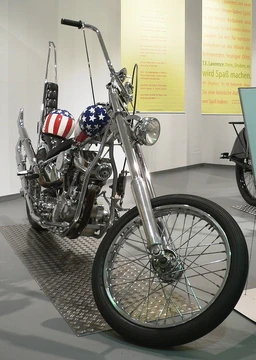
The 1969 film 'Easy Rider' cemented the Harley-Davidson as a symbol of American freedom, while later movies and rock-and-roll bands in the 1970s made the Triumph Bonneville and Norton Commando synonymous with counterculture. These cultural associations often outlast the marketing campaigns the manufacturers themselves ran.
What technical features do fans say define an iconic bike?
Enthusiasts consistently highlight the engine's sound, a simple and readable instrument cluster, and a riding position that feels natural rather than aggressive. Mechanical transparency—being able to see and maintain the drivetrain with basic tools—is often valued more than raw horsepower.
Are iconic motorcycles still in production today?
Yes; Harley-Davidson, Triumph, Indian, and Ducati all manufacture modern versions of their classic lines. However, a vocal segment of the community argues that electronic aids and modern materials dilute the character that made the originals iconic, and that debate continues in forums and at rallies.
What's the difference between an iconic motorcycle and a collector's motorcycle?
An iconic bike is one whose design and story are widely recognized across general culture, not just among dedicated riders. A collector's motorcycle may be rare or technically significant to specialists yet lack that broader cultural footprint, so the two categories overlap without being identical.
How do communities around iconic motorcycles typically organize themselves?
Local owner clubs, regional rallies (such as Sturgis for Harley-Davidson or Triumph Owners Club events in the UK), and online forums form the backbone of the scene. Many members also take part in heritage rides, vintage shows, and restoration projects that keep hands-on mechanical knowledge alive.