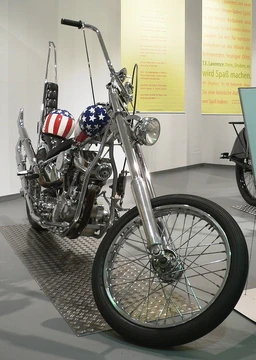
Indian Scout
A long-running American V-twin motorcycle line.
It rivaled the Chief as Indian's most important model.
- Manufacturer
- Indian Motocycle Company
Lore & Background
Designed by Charles B. It had a sidevalve V-twin engine with its transmission bolted to the engine casing, allowing a geared primary drive—the only American v-twin to use this maintenance-free system. The Great Depression pushed Indian to the brink of bankruptcy, and the company was purchased by the DuPont family. Military versions of both models were used by US and other Allied forces during World War II.
Reader's Guide
The Indian Scout line spanned decades and multiple design philosophies, from the original sidevalve V-twin to the postwar overhead valve twin. Its replacement, the Standard Scout, was heavier and less successful, leading to the creation of the Sport Scout. The Scout's legacy includes technical innovation, racing pedigree, and enduring enthusiast interest.
The Dresser Aesthetic and the Indian Scout
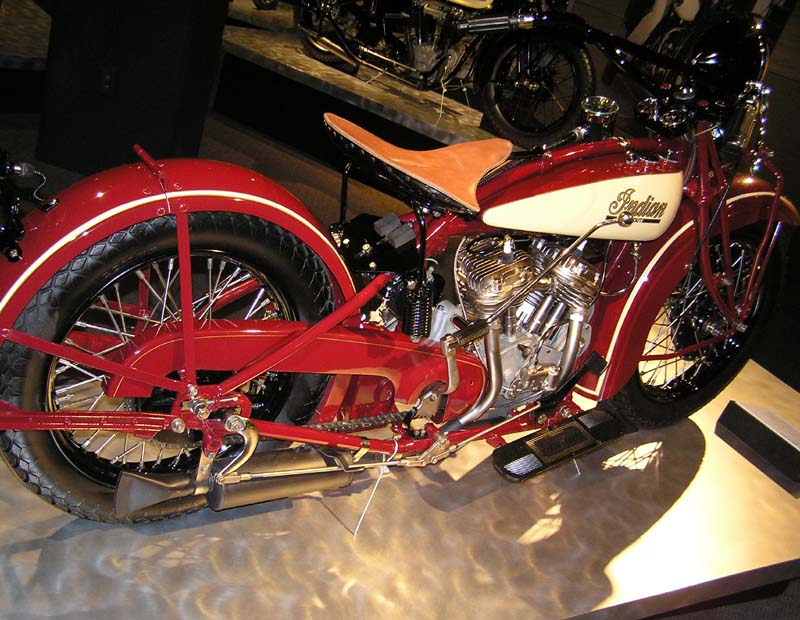
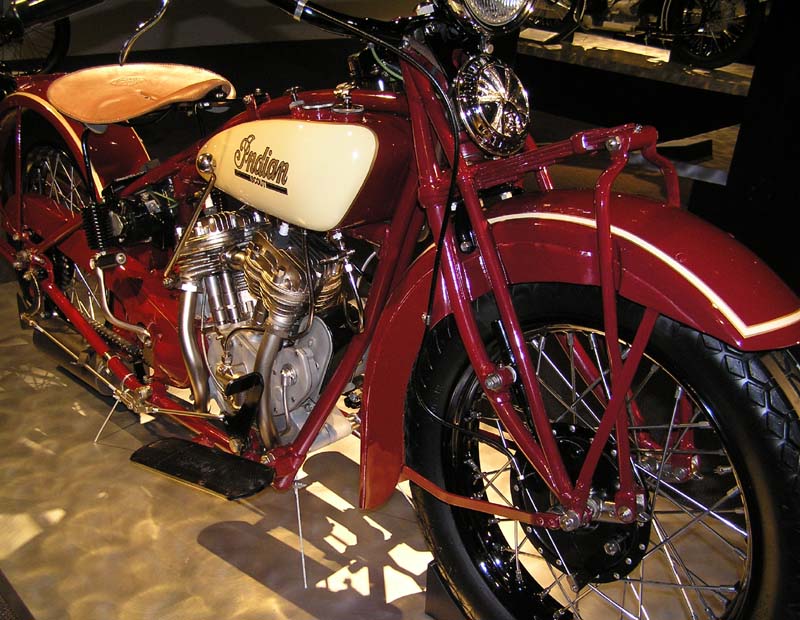
The Indian Scout occupied a distinctive place in mid-century American motorcycle culture as a "dresser" — a machine whose visual language was defined by abundance rather than austerity. This stood in sharp contrast to racing motorcycles of the same period, which either sported tiny fenders or none at all. The Scout's generous bodywork placed it firmly in an aesthetic tradition that valued visual completeness and a sense of finished elegance. It also served as a deliberate counterpoint to two other emerging motorcycle philosophies: the minimalist bobber, which stripped away every non-essential component, and the café racer, a European modification tradition that pursued different performance and riding-position goals. For riders who appreciated a motorcycle as a complete, dressed-up object rather than a stripped mechanical instrument, the Indian Scout represented the fullness of the American motorcycle experience.
The Bob-Job and the Birth of Stripping Culture
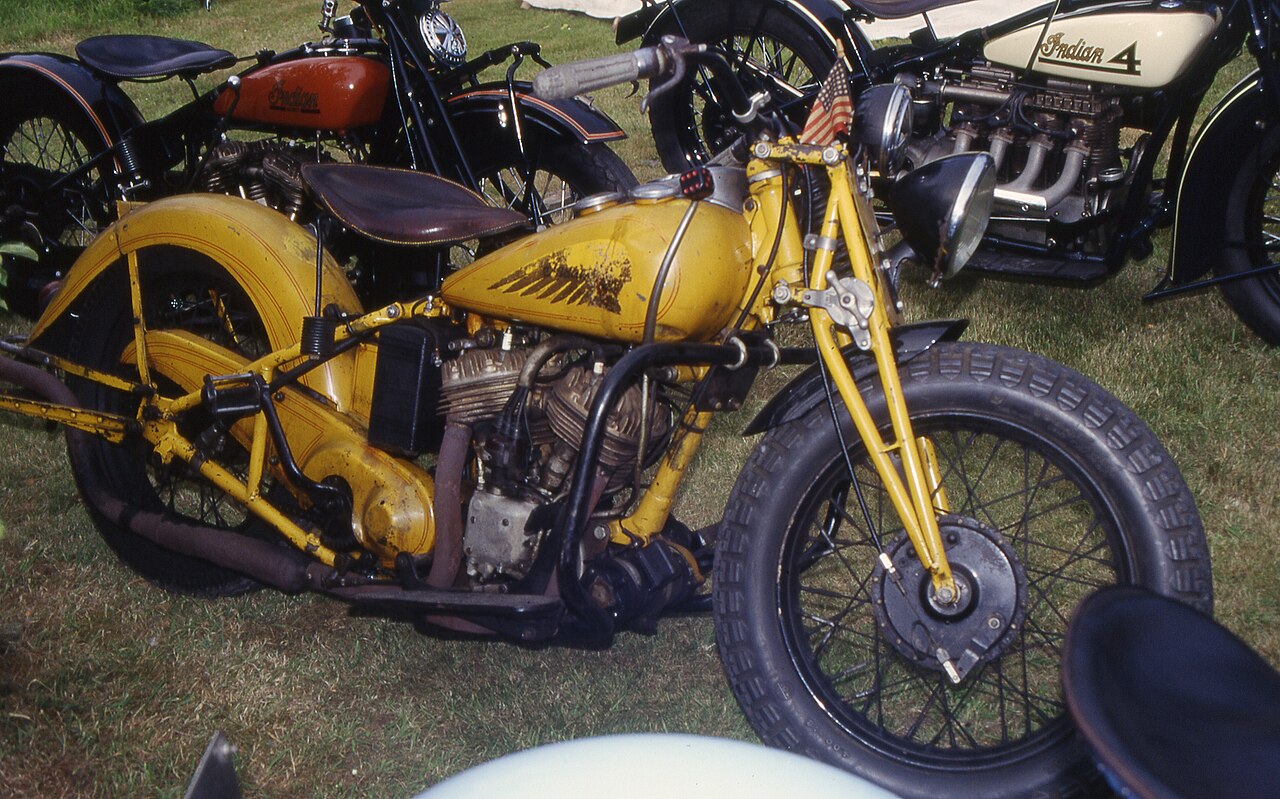
The bobber philosophy that the Bob-Job embodied was straightforward: make the bike lighter, faster, and visually leaner. Fenders were the first casualty, followed by turn indicators, front brakes, and the large spring-suspended saddles that kept riders elevated. The goal was to let the rider sit as low as possible on the frame. While the Indian Scout in its stock "dresser" form represented abundance, the Bob-Job showed what happened when that abundance was challenged — the same platform could become a stripped, performance-oriented machine, and both versions coexisted in the cultural imagination of American motorcycling.
Post-War Riders and the Modification Imperative
In the years following World War II, a wave of returning servicemen in the United States began reshaping the motorcycles they rode, and large, heavily appointed machines like the Indian Scout were prime targets for this transformation. These riders systematically removed components they judged too big, too heavy, too ugly, or simply non-essential — fenders, turn indicators, even front brakes were common casualties. The bulky spring-suspended saddles went as well, so the rider could drop as close to the frame as possible. The motivation was performance: lighter machines handled better in dirt-track racing, mud racing, and the long top-speed runs conducted on California dry lake beds, unused airstrips, and illicit public-street meets. In these gatherings, motorcycles and automobiles competed side by side, and the bobbed Indian Scout was an integral part of the hot rod culture that defined the era. The Scout's stock "dresser" bodywork made it an ideal candidate for this stripping process, and the contrast between its factory form and its bobbed counterpart became a defining visual tension in American motorcycle history.
The Scout Between Movements
The Indian Scout existed at a fascinating crossroads in the evolution of American motorcycle culture. Yet the very abundance of the Scout's stock configuration made it a natural starting point for the bobbing trend that swept post-war America, as riders stripped away fenders, indicators, and heavy saddles to chase speed on dry lake beds and dirt tracks. Over the following decades, the broader customization landscape shifted further: choppers emerged in California in the late 1950s, employing cut-and-welded frames, extended forks, and radical geometry changes that went well beyond the bobber's philosophy of subtraction. By the mid-1970s, stock Japanese and European performance machines had surpassed most bobbers and choppers in outright speed, pushing the custom scene further into artistic and aesthetic territory. The Indian Scout, as both a "dresser" icon and a bobber canvas, captured a transitional moment when motorcycle modification was still driven primarily by performance rather than pure visual expression.
Common Misconceptions (Editorial)
1. Some assume the Indian Scout and Chief were entirely separate models with different design philosophies, but both the Scout and Chief were designed by Charles B. and shared the same innovative sidevalve V-twin engine with a geared primary drive—the only American V-twin to use that system. 2. It is often thought that the Indian Motocycle Company was on solid financial ground until World War II, but the Great Depression had already pushed the company to the brink of bankruptcy, leading to its purchase by the DuPont family. 3. Not all Indian models served in World War II; military versions of both the Scout and Chief were used by US and other Allied forces, not every model in the lineup.
Why It Matters (Editorial)
The Indian Scout endures because it helped define the golden age of American motorcycling, rivaling even the iconic Chief. Its engineering—particularly the maintenance-free geared primary drive—stands as a creative solution to a practical problem, and its military service during World War II cemented its legacy as a machine that contributed far beyond the open road. The Scout’s story is a reminder that innovation often emerges even in times of crisis, and that a motorcycle can be both a work of art and a tool of necessity.
Gallery
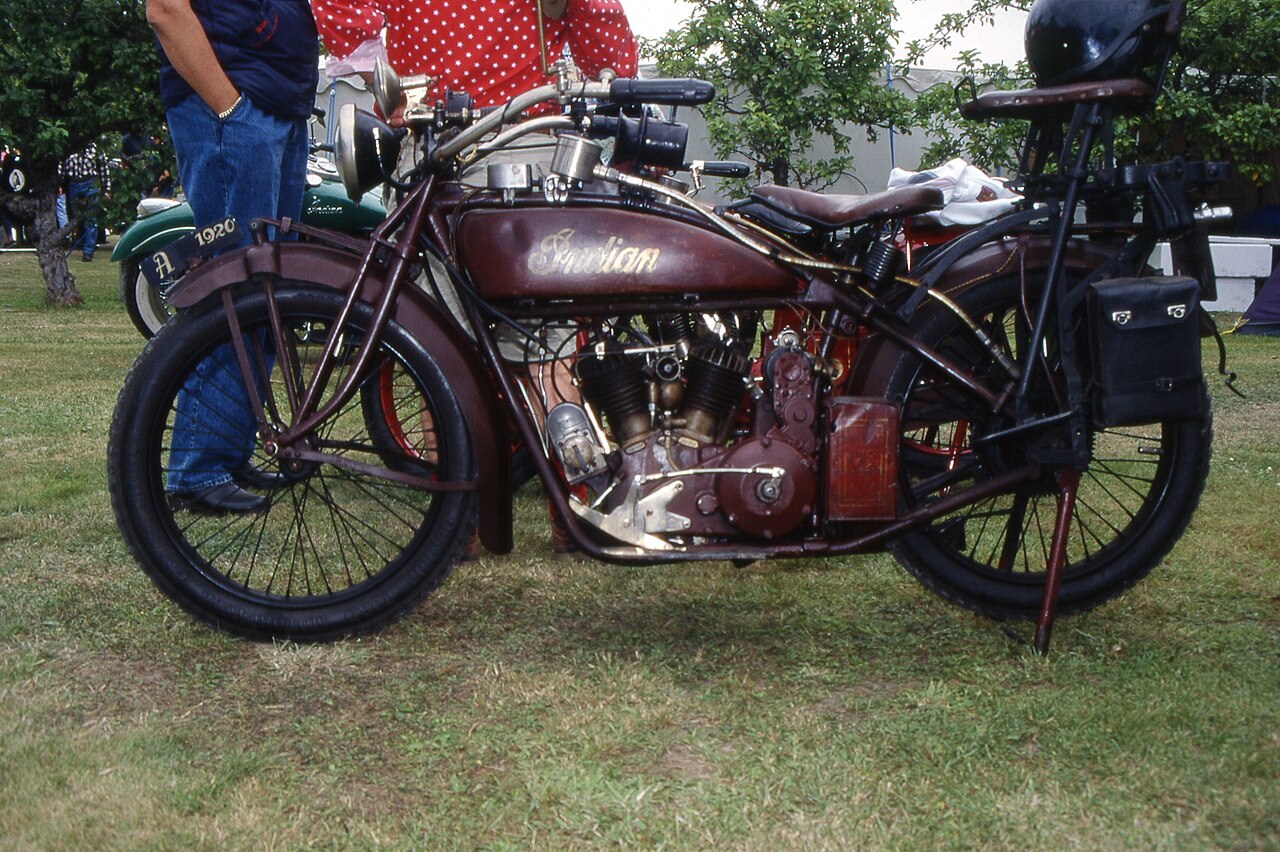
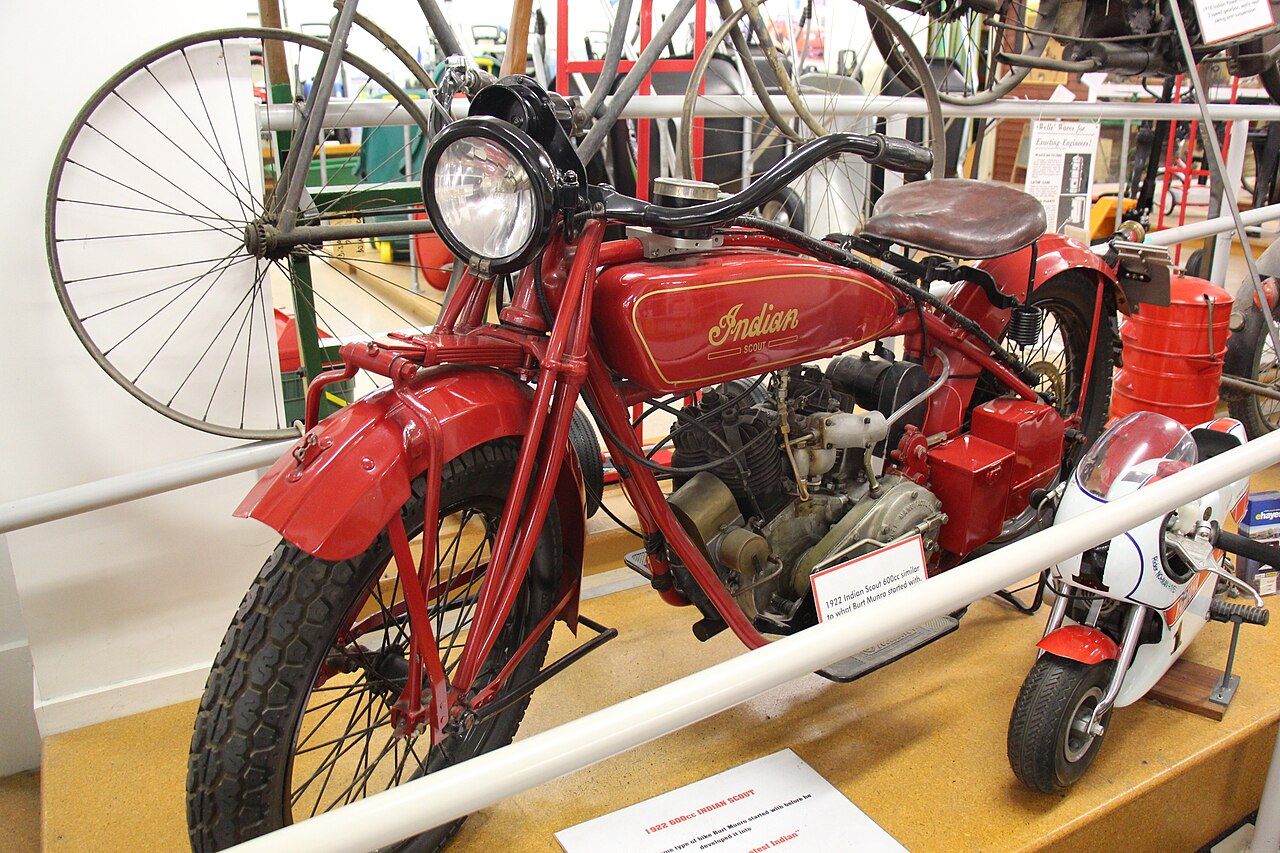
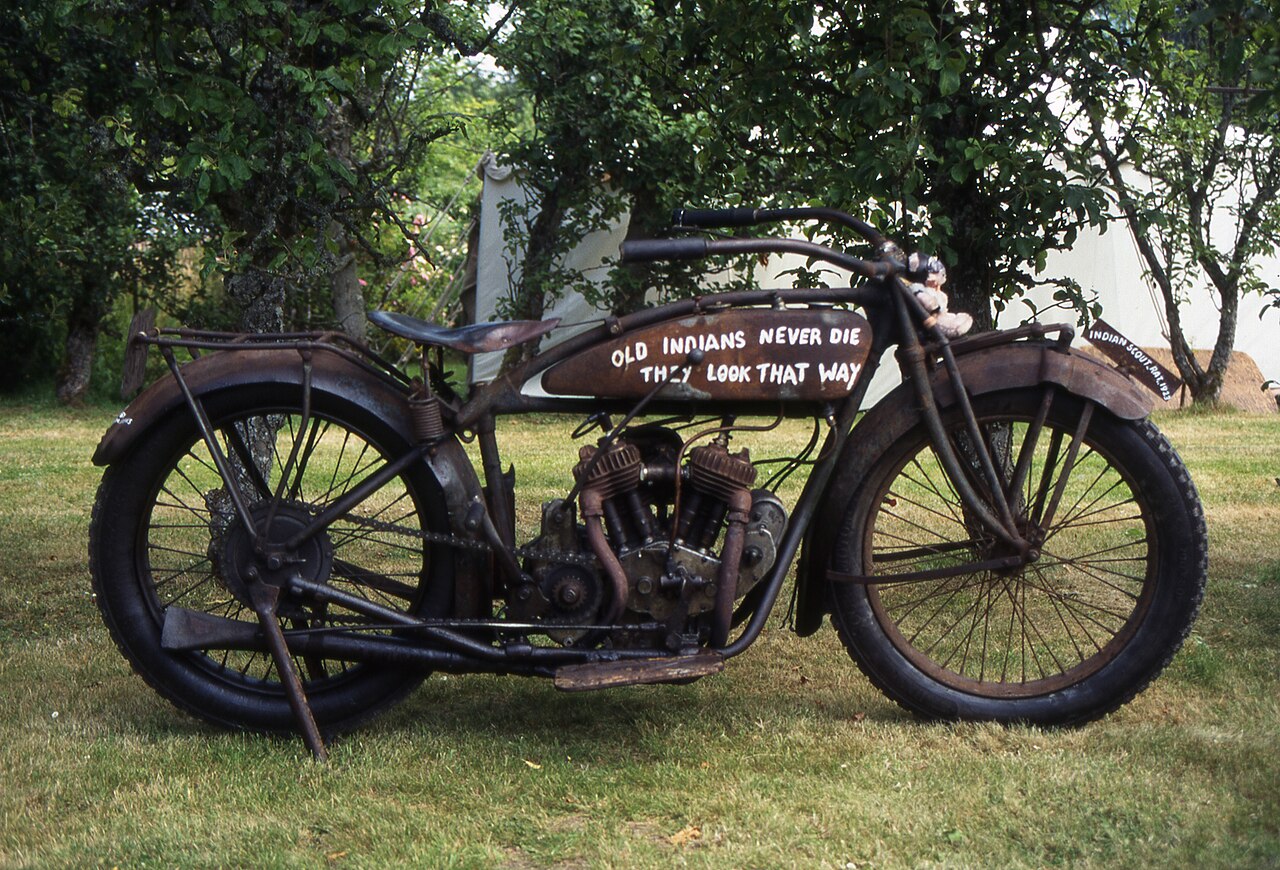
Frequently Asked Questions
What is the Indian Scout?
The Indian Scout is a classic American V-twin motorcycle built by the Indian Motocycle Company as one of the brand's two flagship models alongside the Chief. It held a place of equal importance in Indian's lineup throughout its original production era.
More in Iconic Motorcycles 1-20
Spotted an error? Know more?
This is a living reference — every entry is fact-audited, and reader corrections feed straight into our audit queue. Suggest an edit · See this site's audit record