The Vespa
Italian scooter brand known for its pressed-steel body.

JFGodl · CC0
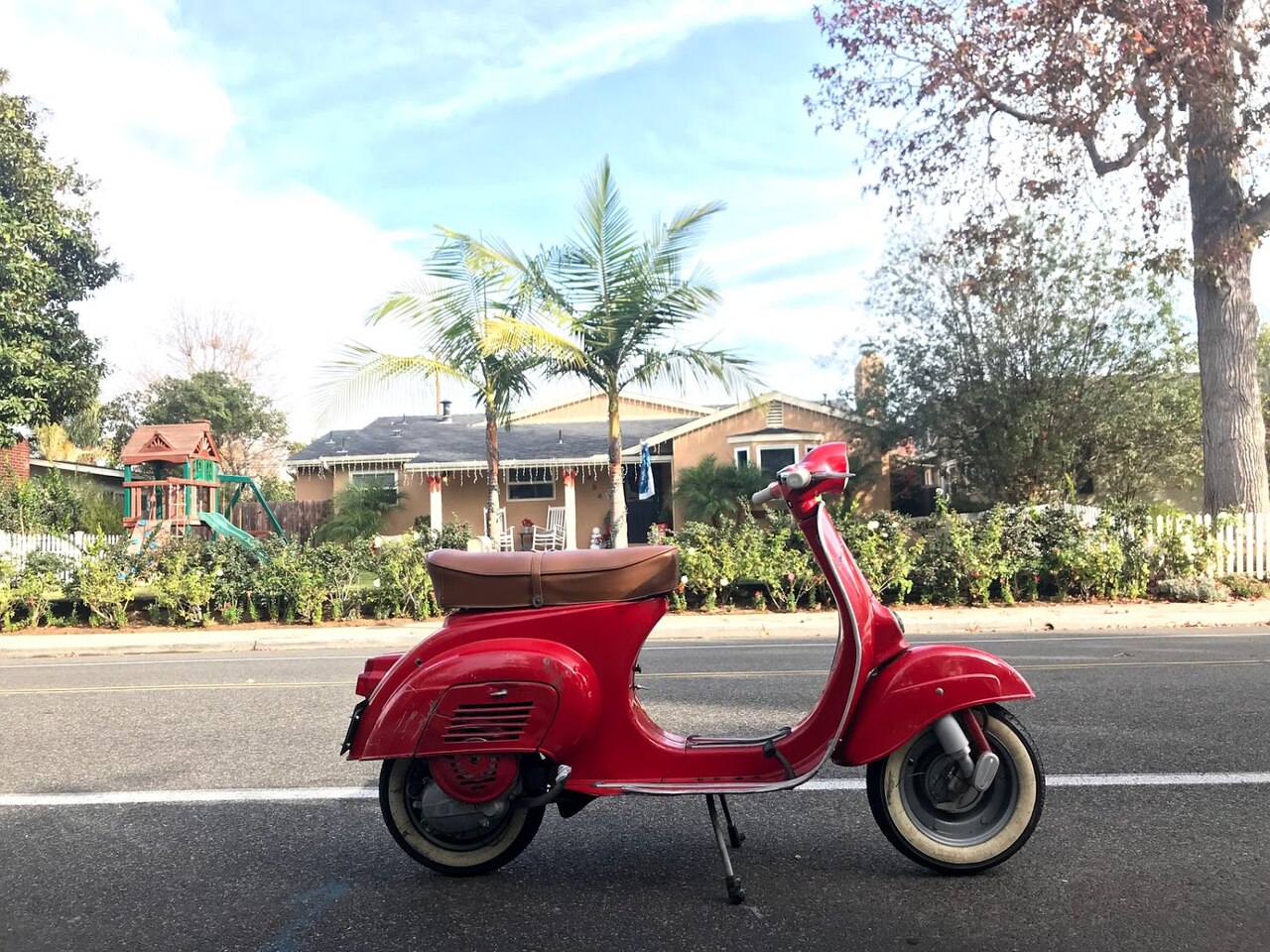
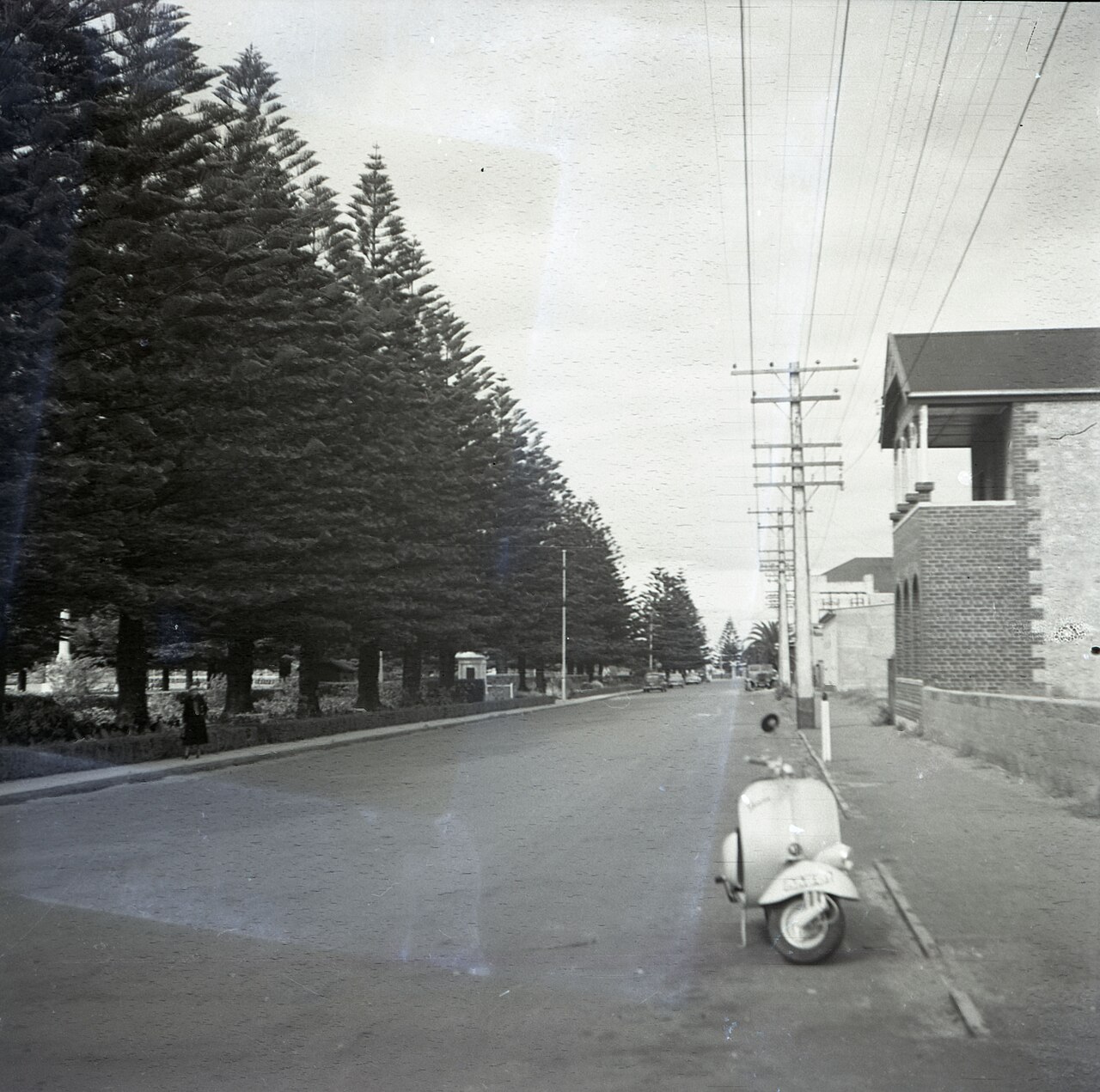
The Vespa is an Italian brand of scooters and mopeds manufactured by Piaggio. S.p.A. of Pontedera, Italy, into a full line of scooters and one of seven companies today owned by Piaggio. Known for its painted, pressed steel body combining a full cowling enclosure, flat floor panel, and prominent front fairing, the Vespa became a symbol of affordable postwar transportation.
- field
- Motor vehicle manufacturing
- nationality
- Italian
- known_for
- Iconic pressed-steel scooter design
- manufacturer
- Piaggio & Co. S.p.A.
Lore & Background
After World War II, Italy's aircraft industry was severely restricted, and Piaggio's Pontedera bomber plane plant was demolished. Enrico Piaggio decided to leave aeronautics to address Italy's need for affordable transportation. He contracted aeronautical engineer Corradino D'Ascanio, who hated motorcycles and redesigned the scooter as the MP6 prototype, with the engine mounted beside the rear wheel, a step-through design, and single-sided front suspension. Upon seeing it, Enrico Piaggio exclaimed "Sembra una vespa!" ("It looks like a wasp!"), naming the scooter on the spot. The scooter was presented to the press at Rome Golf Club, where journalists were mystified by the pastel-colored, toy-like object.
Reader's Guide
The Vespa's significance lies in its role as a postwar mobility solution that became a cultural icon. Its design—a pressed steel body enclosing the engine, flat floor panel, and front fairing—offered protection from dirt and rain, making it more comfortable than traditional motorcycles. The scooter was manufactured under license in Germany, the United Kingdom, France, Belgium, Spain, India, Brazil, and Indonesia. Originally a utility vehicle, the Vespa came to symbolize freedom and imagination. The line evolved into largeframe and smallframe variants, with the largeframe becoming the PX range in the late 1970s.
Did You Know?
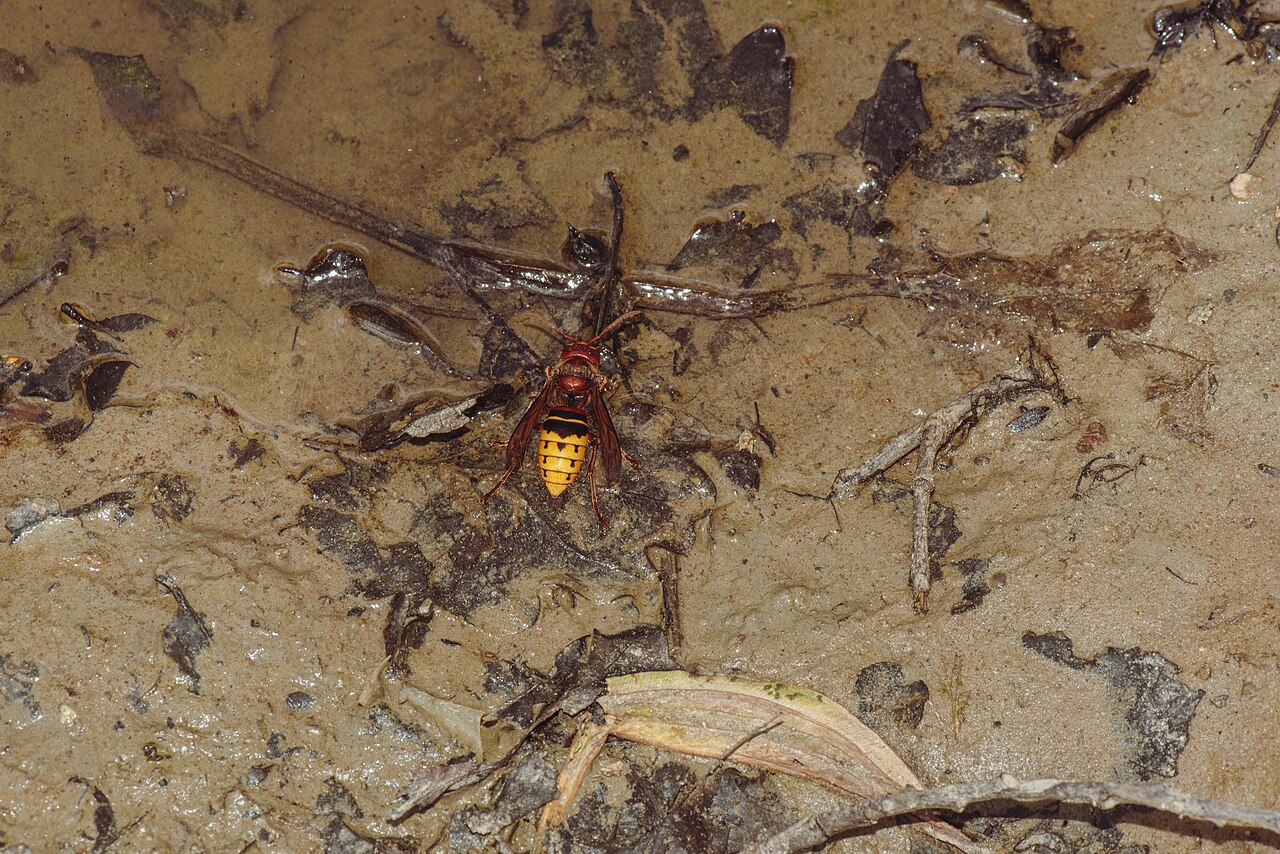
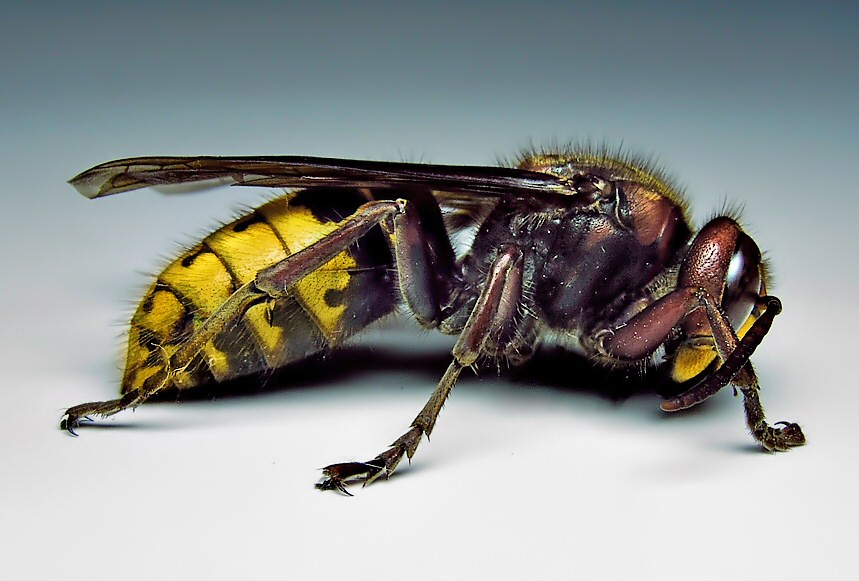
- The name 'Vespa' is Latin and Italian for 'wasp,' inspired by the vehicle's body shape: a thicker rear part connected to a narrow waist, with a steering rod resembling antennae.
- The original Vespa prototype, the MP5, was nicknamed 'Paperino,' meaning 'Donald Duck' in Italian.
Post-War Rebirth: From Bombers to Scooters
After World War II, Italy's aircraft industry was severely curtailed by its agreement with the Allies, and Piaggio's Pontedera bomber plant lay in ruins from bombing. The nation's economy was in a disastrous state, and its roads were in equally poor condition, making a conventional automobile market revival unrealistic. Into this void stepped Enrico Piaggio, son of founder Rinaldo Piaggio, who made the bold decision to abandon the aeronautical field entirely. He recognized that ordinary Italians urgently needed an affordable, modern mode of personal transportation. Leveraging the company's deep industrial experience, Piaggio built an efficient Ford-style volume production line to manufacture the new scooter in large numbers. What began as a wartime manufacturer's pivot to civilian mobility would ultimately reshape how millions of people across the world moved through their daily lives.
From Paperino to Wasp: The Design Breakthrough
The path to the Vespa was not linear. Enrico Piaggio was dissatisfied, especially with the tall central section that forced the rider to straddle the machine. He turned to aeronautical engineer Corradino D'Ascanio, who had previously been consulted by Ferdinando Innocenti on scooter design and who openly loathed motorcycles as bulky, dirty, and unreliable. D'Ascanio's MP6 prototype relocated the engine beside the rear wheel, drove the wheel directly from the transmission to eliminate the drive chain and its grime, and employed a unit spar frame with stress-bearing steel outer panels. These changes unlocked a step-through layout. Upon first seeing the MP6, Enrico Piaggio reportedly blurted out, 'Sembra una vespa!' The name was born from the vehicle's thicker rear joined to the front by a narrow waist, with the steering rod evoking antennae.
Engineering the Enclosed Machine
The Vespa's core engineering philosophy was a unified pressed-steel body that simultaneously enclosed the drivetrain, provided a flat floor panel for the rider's feet, and mounted a prominent front fairing to deflect wind and rain. The original machine featured a horizontally mounted 98 cc two-stroke engine driving the rear wheel directly through a three-speed transmission, with twistgrip gear change operated by a system of rods. A clever cost-saving detail placed the fuel cap beneath the hinged seat, eliminating the need for a separate lock. Small 8-inch wheels kept the footprint compact while leaving generous legroom. Although the early engine lacked forced-air cooling, fan blades were soon bolted to the magneto-flywheel to push air across the cylinder fins—a cooling method still in use on modern Vespa engines. The scooter also stood among the first vehicles to adopt monocoque construction, making the body an integral structural element of the chassis.
A Name That Endured
Yet the brand's visual and functional identity has stayed remarkably constant: a painted, pressed-steel shell forming a unified structure that hides the engine, shields the rider's feet, and diverts weather. At its press unveiling at the Rome Golf Club, journalists were reportedly baffled by the strange, pastel-hued, almost toy-like object on display, a stark contrast to the conventional motorcycles of the day. Practical elegance ran through every detail—the front shield evolved from a flat sheet of aero metal into a twin-skin panel with storage behind it, and the rear pillion seat offered either a passenger spot or a storage compartment.
Common Misconceptions (Editorial)
- Some people mistakenly believe the Vespa was always intended as a scooter from the start, but it actually emerged from Piaggio’s postwar shift away from aeronautics after its bomber plant was destroyed. - Another common misconception is that the Vespa’s designer was a motorcycle enthusiast; in fact, Corradino D’Ascanio hated motorcycles, which influenced his step-through, easy-to-ride design.
Why It Matters (Editorial)
The Vespa endures not just as a vehicle, but as a cultural icon of postwar rebirth and accessible mobility. Its whimsical, wasp-like silhouette and affordable design transformed how a generation moved, proving that necessity and creativity can produce lasting symbols of freedom and style.
Gallery

Frequently Asked Questions
What makes The Vespa's design so distinctive?
Its entire shell is formed from painted, pressed steel, creating a full cowling that encloses the rider along with a flat floor panel and a prominent front fairing. This seamless, single-body construction was unlike anything else on the road at the time.
Why is The Vespa culturally important?
It became the go-to affordable personal transporter for postwar Italy and quickly turned into a worldwide symbol of style, independence, and everyday freedom. Its recurring appearances in film and popular culture locked in that iconic status for generations.
More in Iconic Motorcycles 1-20
Spotted an error? Know more?
This is a living reference — every entry is fact-audited, and reader corrections feed straight into our audit queue. Suggest an edit · See this site's audit record