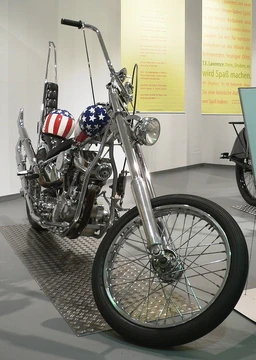
Suzuki GSX-R750

The model is notable for its lightweight aluminum alloy frame and air-and-oil-cooled engine, which was chosen over water-cooling to save weight.
- Manufacturer
- Suzuki
- Engine type
- Air-and-oil-cooled, four-stroke
- Markets
- Worldwide, including US, Canada, Europe, Japan
Lore & Background
It featured a dry clutch, close-ratio 6-speed transmission, magnesium clutch and sprocket covers, and a cable-operated clutch.
Reader's Guide
The Suzuki GSX-R750 is significant as a long-running sports motorcycle that helped define the class. The GSX-R750's legacy includes its influence on sportbike design, particularly in weight reduction and engine cooling methods. It remained in production for decades, with continuous updates to suspension, brakes, and engine technology, reflecting Suzuki's commitment to the model line.
Common Misconceptions (Editorial)
Some enthusiasts mistakenly believe the GSX-R750 originally used water-cooling, but the facts show it had an air-and-oil-cooled engine chosen specifically to save weight. Another common error is that the model always featured a hydraulic clutch; in reality, it used a cable-operated clutch.
Why It Matters (Editorial)
The GSX-R750 endures as a benchmark for lightweight sportbike engineering, proving that innovative material choices—like its aluminum frame and magnesium covers—can outperform brute displacement. Its air-and-oil-cooled engine remains a touchstone for riders who value simplicity and reduced weight over modern liquid-cooling complexity.
Frequently Asked Questions
Why did Suzuki use air-and-oil cooling on the GSX-R750 instead of water cooling?
Suzuki deliberately chose an air-and-oil-cooled four-stroke engine to avoid the extra mass a radiator and coolant circuit would add. This kept the chassis lighter and more agile, which was the core design philosophy of the GSX-R series.
Why is the GSX-R750 considered a landmark in motorcycle history?
As the first production bike in Suzuki's GSX-R family, it established the lightweight, track-focused formula that subsequent models would build upon. Its emphasis on an aluminum frame and weight-saving cooling strategy shaped how Suzuki approached performance motorcycles for years to come.
More in Iconic Motorcycles 1-20
Spotted an error? Know more?
This is a living reference — every entry is fact-audited, and reader corrections feed straight into our audit queue. Suggest an edit · See this site's audit record